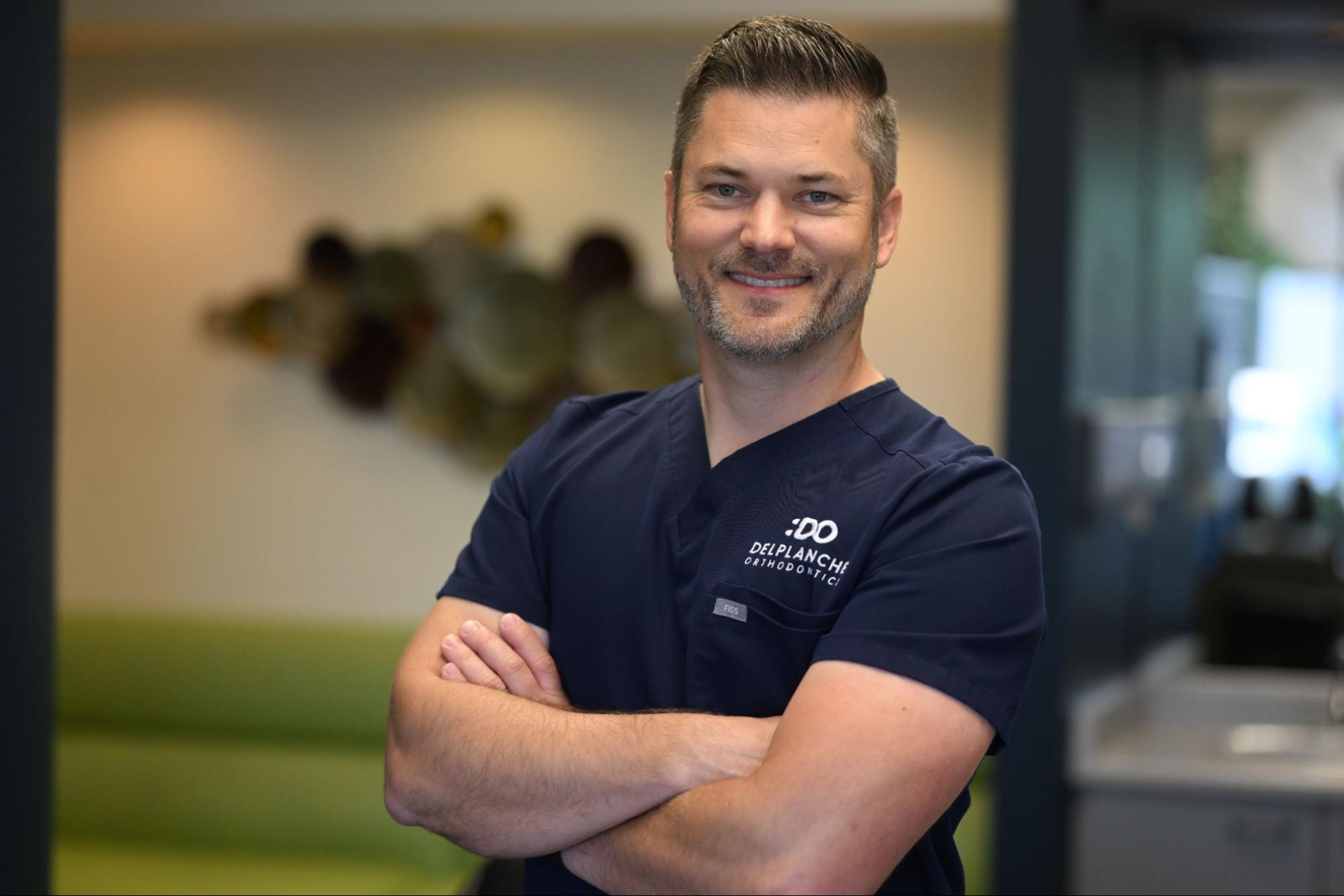
Finding the right Portland orthodontist comes down to three things: board certification, real experience with your type of case, and a practice that explains your options without pressure. Dr. John Delplanche at Delplanche Orthodontics checks all three boxes for families across the Portland area.
What Makes a Portland Orthodontist Stand Out?
The best orthodontists are board certified, have years of focused experience moving teeth and aligning jaws, and use modern imaging to plan treatment accurately. Marketing claims do not replace credentials.
A board-certified orthodontist has finished the extra training and passed the exams that prove advanced skill in tooth movement and jaw alignment. Dr. Delplanche is a Diplomate of the American Board of Orthodontics, which is the credentialing body that recognizes the highest level of achievement in the specialty. If you want to understand why this credential matters, read more about what it means to be a board-certified orthodontist.
So what separates an orthodontist from a general dentist? After dental school, orthodontists spend another two to three years in a full-time residency focused only on tooth movement, jaw growth, and facial structure. The American Association of Orthodontists reports that out of every 100 dental school graduates, only six go on to become orthodontists.
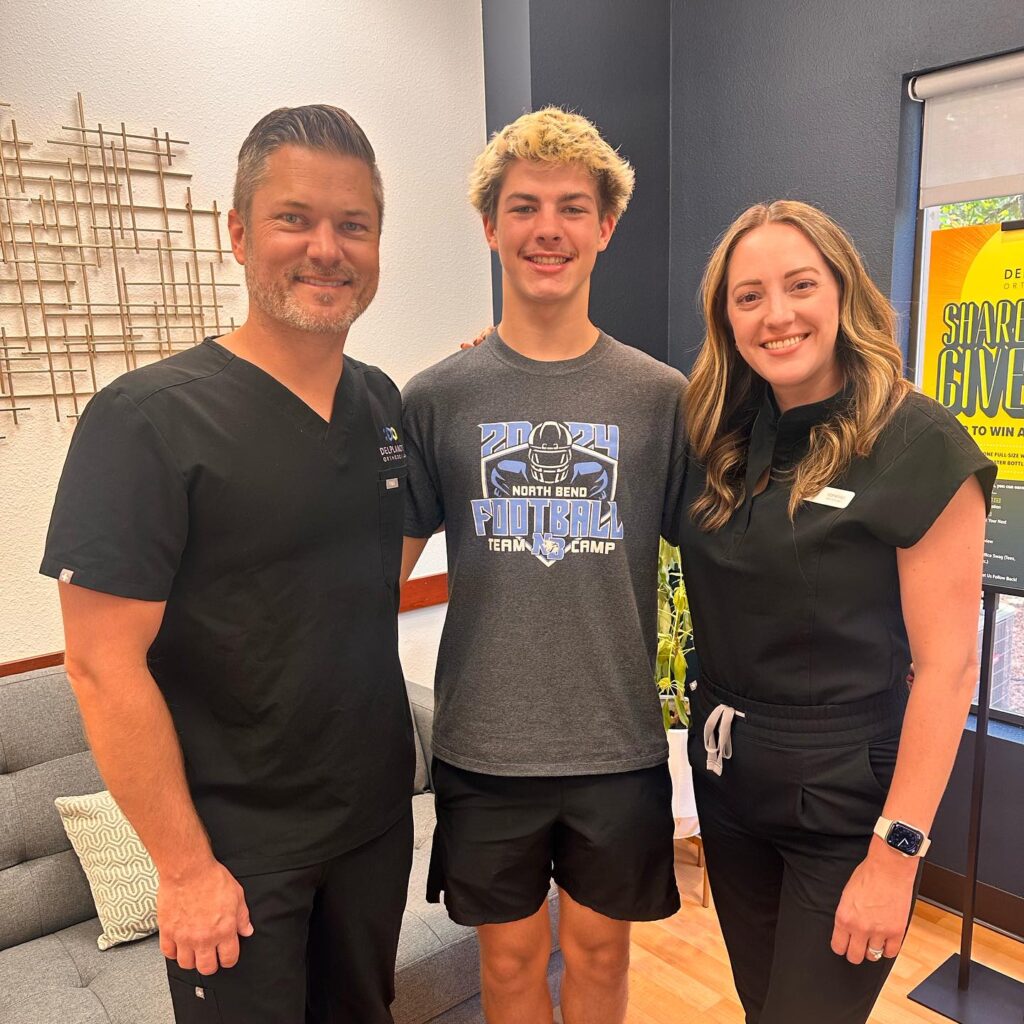
Experience with your specific case matters too. Whether you are weighing Invisalign clear aligners, metal braces, or clear braces, you want a provider who has handled cases like yours many times. Patient reviews, before-and-after photos, and how the team communicates during your first visit all hint at what your experience will actually be like. You can meet Dr. Delplanche to get a feel for his background and approach.
Technology rounds out the picture. Practices using 3D imaging and digital scanners like the iTero can build more precise treatment plans and skip the messy putty impressions of the past.
How Do You Pick a Portland Orthodontist? Step by Step
Start with a free consult, ask about board certification and experience, learn the treatment options for your case, evaluate the office and technology, then compare clear treatment plans with pricing laid out upfront. Each step helps you decide with confidence.
The search should always begin with a free consult. This visit lets you meet the orthodontist, walk through the office, and understand your options without any financial commitment. Pay attention to how the team treats you from the moment you walk in.
Ask about credentials directly. Is the orthodontist board certified? How many years have they been practicing? What continuing education do they keep up with? Dr. Delplanche brings extensive training and years of clinical experience to every case and maintains active membership in the American Association of Orthodontists.
Ask what treatment options the practice offers. You have real choices when it comes to straightening teeth, and a good orthodontist will walk through the pros and cons of each for your situation. Metal braces stay popular because they are reliable and effective. Invisalign offers a more discreet path. Clear braces blend strength with a subtler look.
Look closely at the office and technology. Does the practice use digital scanning? Can they show you a simulation of your results? Is the team friendly and informed?
Compare treatment plans carefully. A trustworthy orthodontist explains pricing upfront with no hidden costs. Ask about:
- Total treatment cost
- What is included in that price
- Payment plan options
- Insurance filing help
- Estimated treatment timeline
What Are the Benefits of Choosing a Specialist Portland Orthodontist?
Working with a specialist means better outcomes, fewer surprises, and access to technology that general providers usually do not have. Portland families who pick a specialist gain real, measurable advantages over going to a general dental provider for tooth movement.
How Do Specialists Improve Outcomes?
Specialists handle complex cases daily, so they spot problems early and adjust treatment as needed. Dr. Delplanche has treated thousands of cases across children, teens, and adults in the Portland area. That volume of experience translates into fewer surprises and more predictable timelines. Properly aligned teeth are also easier to clean, which lowers your risk of cavities and gum disease over the years.
What Technology Should a Top Practice Offer?
Tools like 3D imaging and the iTero digital scanner mean more comfortable visits and more accurate planning. Digital scans replace the gooey putty impressions of the past, and treatment simulations let you preview your results before starting. Many practices now offer virtual consultations and same-day starts for busy Portland families.
How Does Specialized Care Fit Different Ages?
Children, teens, and adults each have different needs, and a skilled orthodontist shifts the approach to match. Phase 1 treatment for kids looks nothing like adult orthodontic care. Experience leads to smoother treatment with fewer setbacks at every life stage, and the team adjusts every plan to the person sitting in the chair.
Orthodontist vs. General Dentist: Key Differences
An orthodontist completes two to three extra years of specialty residency focused only on tooth movement and jaw alignment. A general dentist does not. That is the short answer.
| Factor | Orthodontist | General Dentist |
|---|---|---|
| Specialized Training | 2-3 years additional residency | None beyond dental school |
| Focus | Tooth movement and jaw alignment only | General oral health care |
| Complex Cases | Trained to handle bite correction and jaw issues | May refer complex cases out |
| Technology Investment | Orthodontic-specific equipment | General dental equipment |
| Board Certification | Available through ABO, with top providers earning Diplomate status | Not applicable |
Your general dentist plays an important role in your oral health. They handle cleanings, fillings, and routine care. But when it comes to moving teeth and correcting bite problems, orthodontists have training that general dentists never received in dental school.
Some general dentists offer Invisalign or other aligners. They can manage mild cases, but they lack the specialized education in how teeth move through bone, how jaw growth shifts alignment, and how to manage complications mid-treatment. The American Association of Orthodontists notes that orthodontists complete thousands of hours of residency training in this single area.
Think of it like cardiac care. You see a heart specialist for heart issues rather than your primary doctor. The same logic applies when you want teeth and jaws moved with precision. A specialist brings the experience the case deserves.
What Affects the Cost of Treatment with a Portland Orthodontist?
Five things shape the cost of orthodontic care: the type of treatment, the complexity of the case, how long treatment runs, the provider’s experience, and where the practice is located. Knowing these upfront helps you compare quotes without getting blindsided later.
| Factor | Impact on Cost |
|---|---|
| Treatment Type | Metal braces, clear braces, and Invisalign all carry different price points |
| Case Complexity | More severe crowding or bite issues require longer treatment |
| Treatment Length | Most cases take 18 to 24 months, though complex cases may run longer |
| Provider Experience | Board-certified specialists may charge differently than general providers |
| Geographic Location | Costs vary by region |
Braces really can fit any budget. Delplanche Orthodontics offers customized financing with low down payments, extended payment plans, and 0% in-house financing. The team also files insurance claims for you and runs a free insurance benefits check so you know what is covered before treatment starts.
A free consult clears up the full cost picture upfront. You walk out with a detailed treatment plan and clear pricing, no surprises later on.
Who Is a Good Candidate for Treatment with a Portland Orthodontist?
Orthodontic treatment works for patients at almost every life stage, from kids as young as seven to adults in their fifties and beyond. Many Portland families are surprised to learn how early evaluations should happen and how varied today’s treatment options have become.
- Children ages 7 and up. The American Association of Orthodontists and Dr. Delplanche both recommend a first evaluation around age seven. By then enough permanent teeth have come in to spot developing issues while some baby teeth remain. Catching alignment concerns early can head off more involved treatment later, and Phase 1 treatment may be the right call for certain cases.
- Teenagers. Adolescence is often the ideal window because the jaw is still growing. Teens can choose from metal braces with fun custom colors, clear braces, or Invisalign clear aligners that fit around sports and school.
- Adults. It is never too late to have a smile you love. Each year more adults in the Portland area start treatment because clear aligners and tooth-colored options fit professional and social lives. Treatment can also fix longstanding bite issues that cause uneven wear or jaw tension.
- Anyone with alignment concerns. Crowding, gaps, overbite, underbite, and crossbite can all be corrected. The team evaluates each case on its own and recommends the approach best suited to your goals.
Good candidates keep up solid oral hygiene and commit to following their plan. That means wearing rubber bands as directed, keeping up with visits, and for Invisalign patients, wearing aligners the recommended hours each day.
Frequently Asked Questions
How do I know if a Portland orthodontist is qualified?
Look for board certification from the American Board of Orthodontics. This credential means the orthodontist has passed rigorous written and clinical exams beyond residency. Also confirm membership in the American Association of Orthodontists and ask about years of experience with your specific treatment type.
What questions should I ask during a consultation?
Ask about credentials and experience. Find out what treatment options the orthodontist recommends for your case and why. Request a clear breakdown of costs, payment options, and what is included. Ask how often you will need visits and what happens if you have an emergency between appointments.
How long does orthodontic treatment typically take?
Most cases at Delplanche Orthodontics finish in 18 to 24 months, though every case is different. During your free consult you will get an estimated timeline based on your needs. The practice aims to finish on time while keeping quality results.
Is Invisalign as effective as traditional braces?
For many cases, yes. Invisalign clear aligners can correct crowding, spacing, and a wide range of bite issues. Some complex cases respond better to braces. Dr. Delplanche will walk through which approach fits your situation during your consultation.
Can I switch orthodontists mid-treatment?
Yes, though it can get complicated. If you need to transfer care because of a move or other change, your new orthodontist will need your records and may need to adjust the plan. Talk with both practices so the handoff goes smoothly.
Do Portland orthodontists offer virtual consultations?
Many practices now offer virtual options for first consultations or follow-up visits. This saves time and makes care more accessible. Ask about virtual visit availability when you schedule your free consult.
You deserve a smile you love, and finding the right orthodontist is the first step. Dr. John Delplanche and the Delplanche Orthodontics team welcome children, teens, and adults at every stage of life. Schedule a free consult to learn more about your options and the treatment path that fits your goals.